Are Spider Veins Hereditary? What Your Family History May Mean
If spider veins seem to run through your family, you may have wondered, "Are spider veins hereditary?" Maybe your mother has them. Perhaps your grandmother did too. Now you are noticing small red, blue, or purple lines on your own legs.
The answer is yes: family history can raise your chances of developing spider veins. But genetics are only part of the picture. Age, hormones, pregnancy, and long periods of sitting or standing can also play a role.
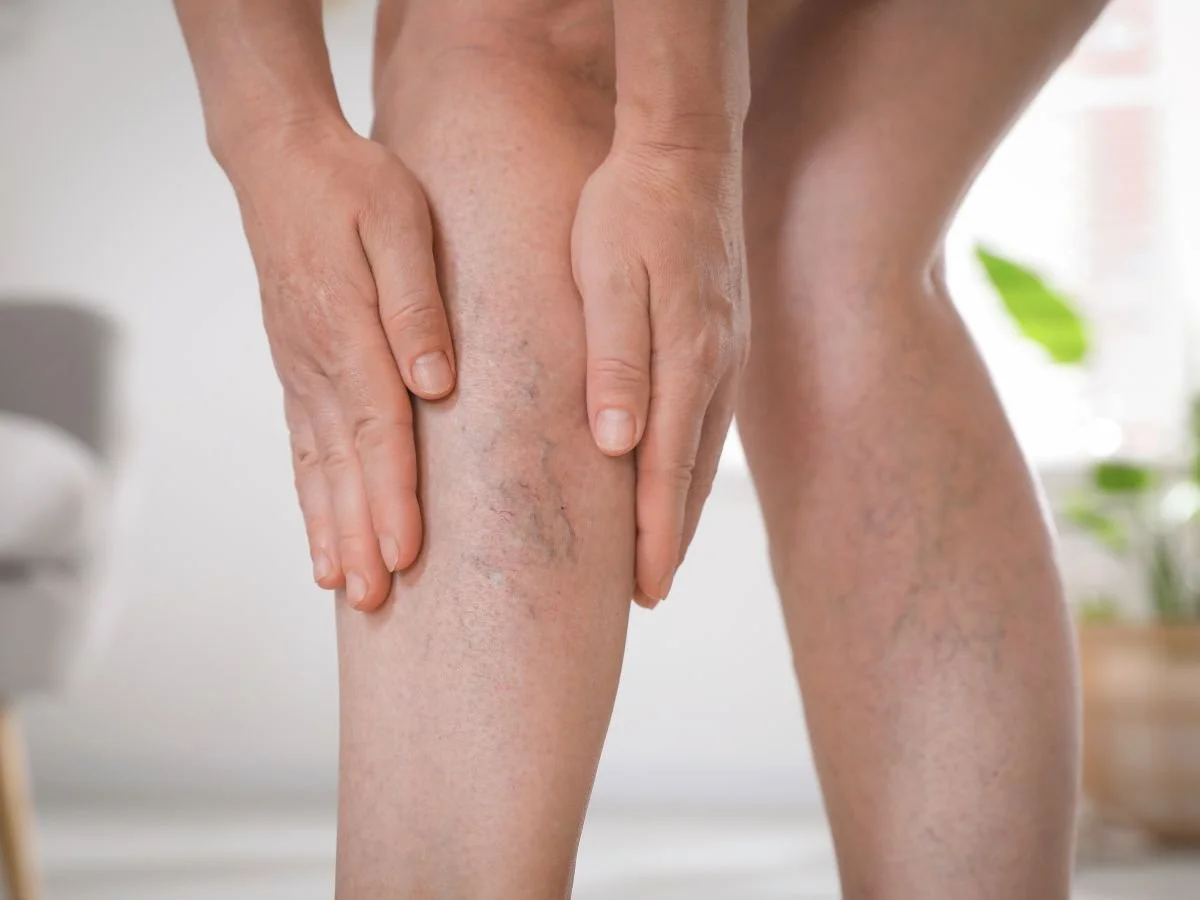
Are Spider Veins Hereditary?
Spider veins can have a genetic connection, but you do not directly inherit spider veins from a parent. Instead, you may inherit traits that make your veins more likely to become visible over time.
A family history of vein problems can increase your risk. This does not mean you will definitely develop them.
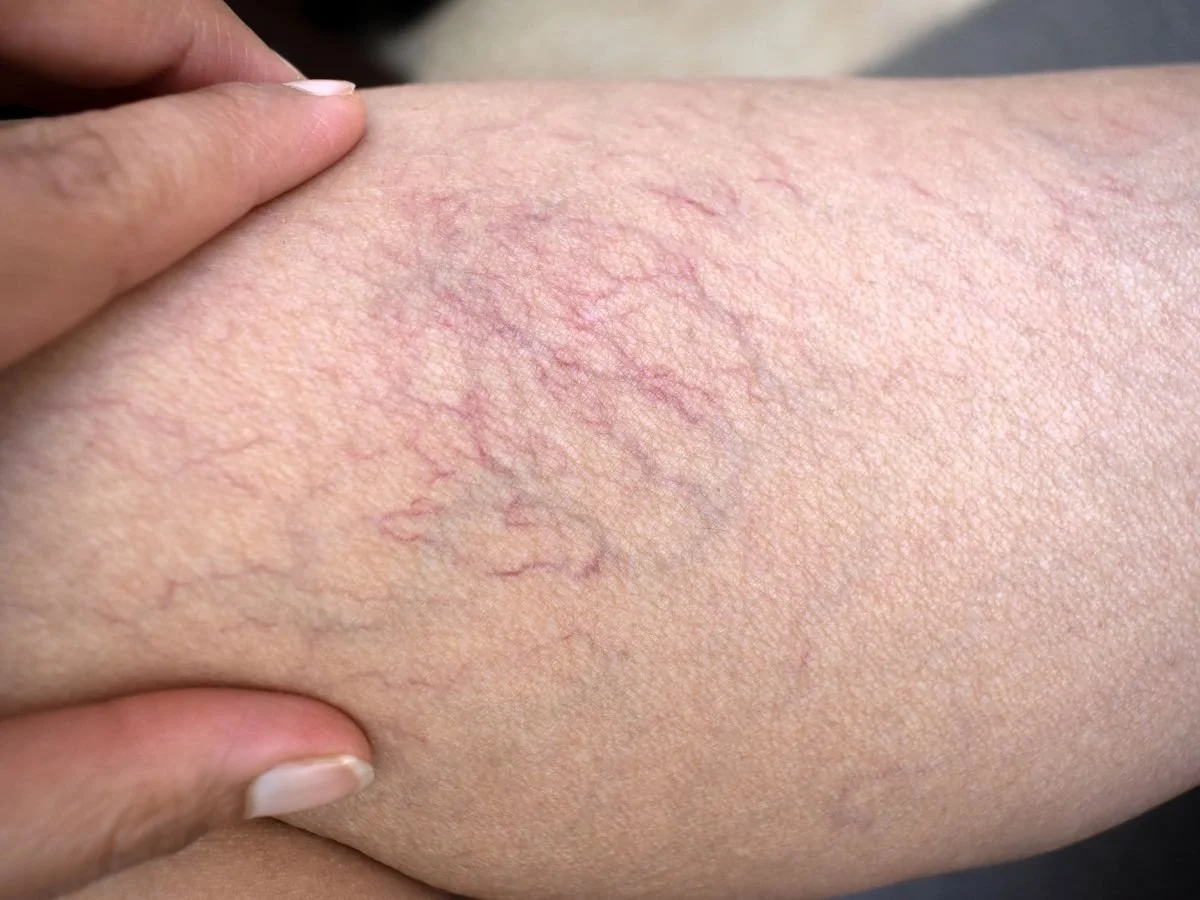
Spider veins are small blood vessels that appear close to the surface of the skin. They often look like fine webs or branching lines. They are different from varicose veins, which are larger and may bulge above the skin.
So, can spider veins run in families? Yes. But your genes are not the only factor that determines whether they appear.
What Else Can Cause Spider Veins?
Even with a family history, other factors can affect your veins.
Age is one. Veins can become less efficient as you get older, which may make visible veins more common.
Hormonal changes can matter too. Pregnancy, menopause, and other hormone-level changes may affect your veins.
Pregnancy puts extra pressure on the veins in the legs. Increased blood volume can add to that pressure.
Your daily routine may matter, too. Spending many hours sitting or standing can affect blood flow in the legs. Regular movement can help support healthy circulation.
These factors do not mean spider veins are your fault. They help explain why they can appear even when you take good care of yourself.
Can You Prevent Hereditary Spider Veins?
You cannot change your genes. You can, however, support healthy circulation and manage some risk factors.
Try to stay active throughout the day. A regular walk can help keep your legs moving. If your work requires long periods of sitting, take short movement breaks when possible. The same applies if you spend most of the day standing.
Maintaining a healthy weight may reduce extra pressure on the veins. Elevating your legs when appropriate may provide another simple way to ease discomfort.
These habits may help reduce risk, but they cannot guarantee that spider veins will never develop.
Can Sclerotherapy Treat Spider Veins?
If spider veins have already appeared, treatment can help reduce their appearance. Sclerotherapy is a commonly used option.
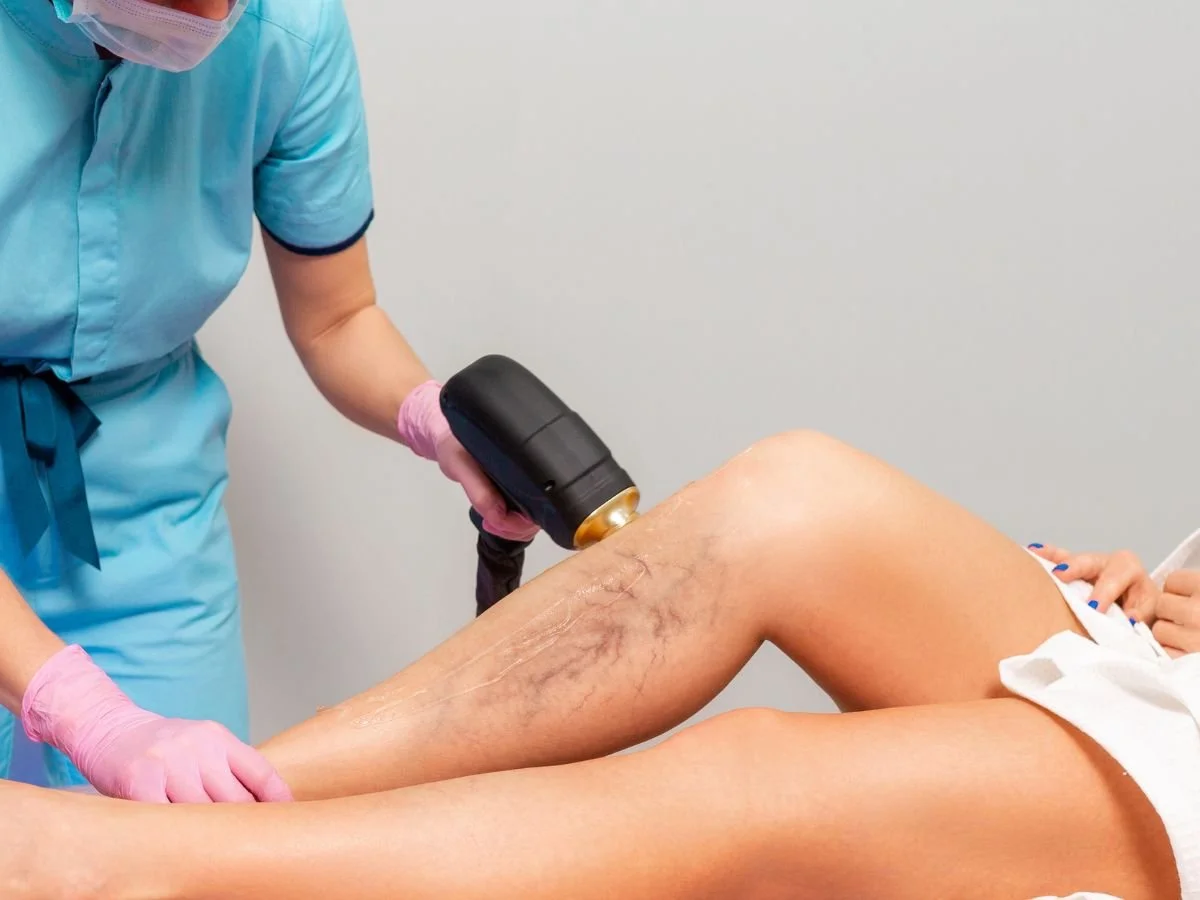
During sclerotherapy, a trained provider injects a solution into the targeted vein. The solution causes the vein to close. Your body then gradually processes the treated vessel.
The treated veins do not disappear instantly. They usually fade over time. Some people may need more than one treatment session, depending on the number, size, and pattern of their veins.
Sclerotherapy isn't the right choice for everyone or every visible vein. A proper assessment helps determine the best approach for your legs.
What Other Spider Vein Treatments Are Available?
Not all spider veins are the same. Their size, location, and depth can affect the treatment plan.
Depending on your needs, treatment may include liquid or foam sclerotherapy. Laser or light-based treatments may suit certain small surface veins. In some cases, ultrasound can help a provider assess veins that are not visible on the skin.
You may need to treat an underlying vein problem before addressing surface veins. The goal is not to choose the most popular treatment. It is to choose an approach that fits your individual vein pattern and treatment goals.
When Should You Have Spider Veins Checked?
You do not have to wait until spider veins become extensive before seeking advice.
Consider an evaluation if you notice more veins appearing or if you have symptoms such as aching, heaviness, swelling, burning, or cramping. A strong family history can be another reason to have your veins assessed.
If the veins are mainly a cosmetic concern, you can still ask about your options. Understanding what treatment can and cannot achieve helps you decide.
Looking for Spider Vein Treatment in Miami?
So, are spider veins hereditary? They can be. But your family history does not have to determine how your legs look.
Beyond Health MedSpa in Miami can assess your concerns and help you understand suitable treatment options. If spider veins are starting to bother you, an early consultation can give you clear answers and a personalized plan.
Schedule an appointment with Beyond Health MedSpa in Miami to discuss your spider vein treatment options.