Can Spider Veins Burst? What Miami Patients Should Know About Bleeding Veins and Sclerotherapy
A tiny network of visible veins on your legs can raise a surprisingly simple question: could they ever burst or bleed? Spider veins are usually more of a cosmetic concern, but what happens if one suddenly starts bleeding?
Spider veins are usually harmless. These small blood vessels sit close to the skin and often look like tiny webs or branches. They are not the same as larger, raised varicose veins. Bleeding is more often linked to a superficial varicose vein that breaks through the skin.
However, you should not ignore a blood vessel that is bleeding or changing in appearance.
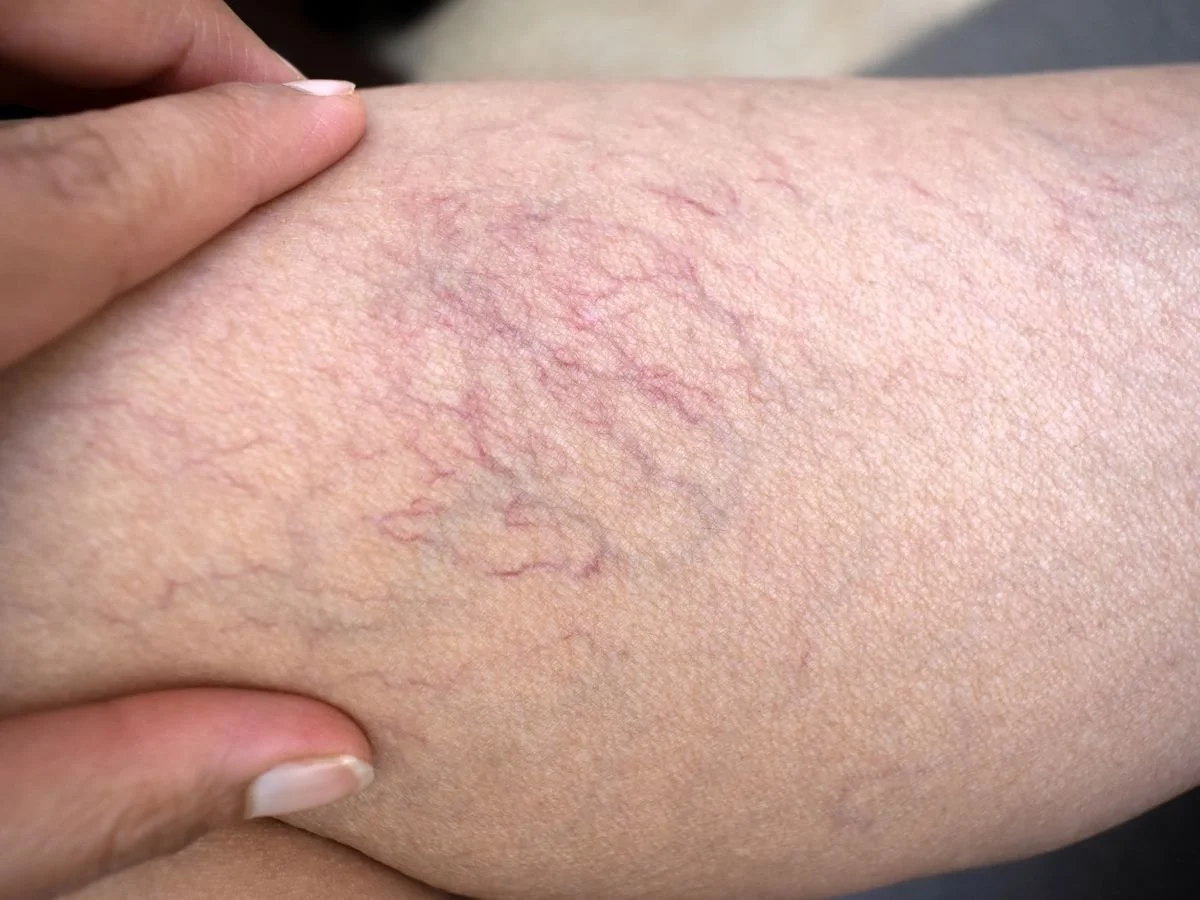
Can Spider Veins Actually Burst?
The name "spider vein" might make these vessels seem fragile and likely to burst, but that is not usually true.
Spider veins are tiny damaged blood vessels known as telangiectasias. They can show up on the legs, face, hands, or other areas. Most do not cause pain or other symptoms. If a vein suddenly starts to bleed, it may be a different issue.
Superficial varicose veins can become larger and lie close to the skin. If the skin over one of these veins’ breaks, bleeding can happen.
This is why how the vein looks is important. A small web of red or purple lines is different from a vein that is raised, twisted, or swollen.
When Should You Pay More Attention to a Vein?
Spider veins are usually a cosmetic issue. However, some changes should be checked more closely.
Talk with a healthcare professional if a visible vessel becomes:
Swollen or raised
Warm or tender
Red or unusually discolored
Painful or itchy
Associated with burning or cramping
Surrounded by skin changes or sores
Prone to bleeding
These changes can sometimes signal a vein problem that needs more than just cosmetic treatment.
If a vein is bleeding, press firmly on the area. Get medical help right away if the bleeding is heavy, does not stop with pressure, or is hard to control.
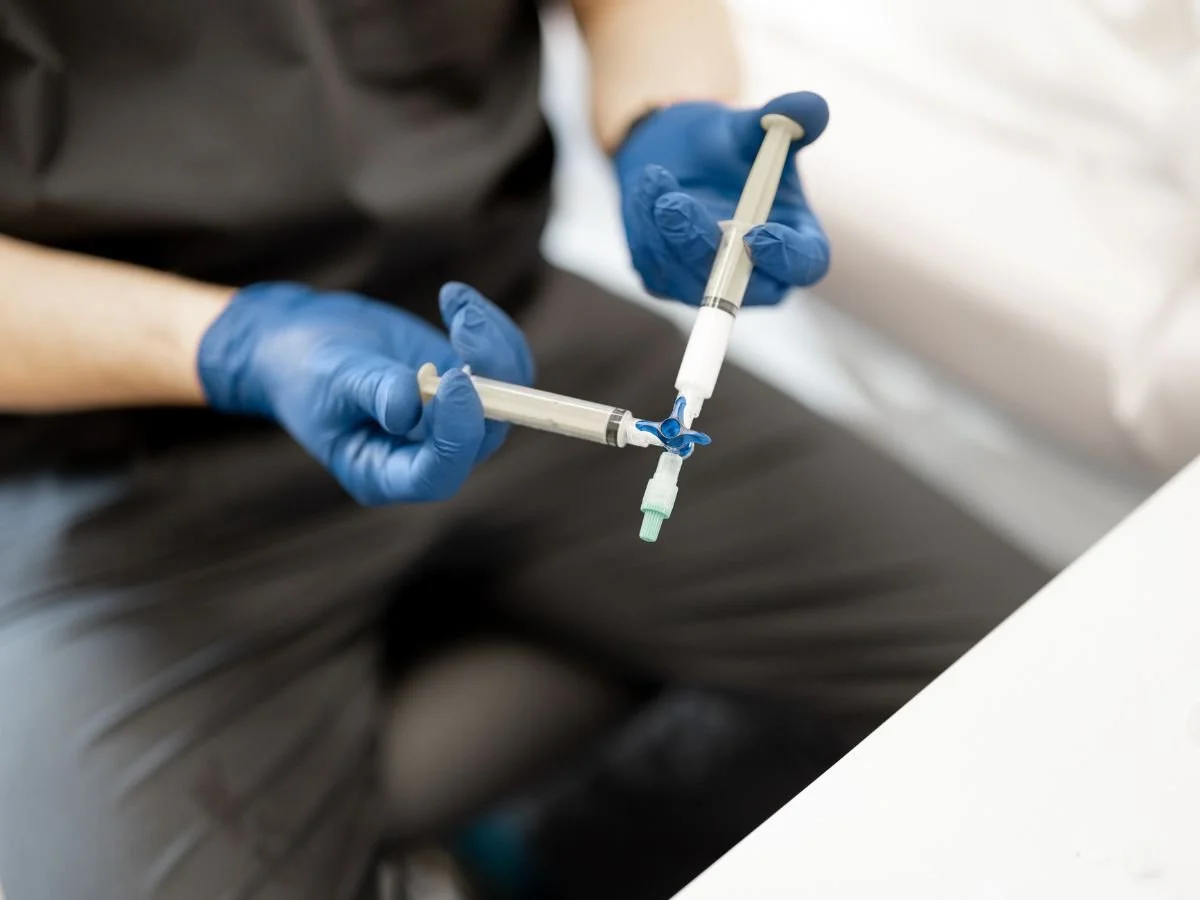
Where Does Sclerotherapy Fit In?
If you're concerned about an unwanted spider vein, sclerotherapy may be an option. In this treatment, a provider injects a solution into the vein. This solution irritates the inside of the vein and makes its walls close. Your body then slowly removes the treated vein.
Sclerotherapy is often used for spider veins and small varicose veins. Results take time to show. Spider veins usually take a few weeks to fade, and some people need more than one session.
This is why you need a proper assessment before treatment. The goal is not to inject every visible vein. Your provider will check what type of vein you have and if sclerotherapy is right for it.
Is Sclerotherapy the Only Option?
Not all visible veins respond to the same treatment. Sclerotherapy works well for many spider veins and small varicose veins.
Laser and light treatments can help with some small surface veins, especially if a vein is too small for an injection. Larger or deeper veins may need another type of treatment.
Your treatment plan should be based on the size, location, look, and symptoms of your veins.
This is why seeing a provider in person can help. Searching online can give you information, but it cannot tell you which treatment is best for your veins.
Considering Spider Vein Treatment in Miami?
If visible veins on your legs are bothering you, you do not have to just live with them. If a vein has changed, become uncomfortable, or started bleeding, it is a good idea to have it checked.
Beyond Health MedSpa in Miami offers sclerotherapy for spider veins and small vein issues. At your consultation, the team will talk with you about your concerns, check your veins, explain the sclerotherapy process, and help you know what results to expect.
If you have been wondering whether spider veins can burst or if a vein on your leg needs attention, schedule a consultation with Beyond Health MedSpa in Miami.
Quick Questions About Spider Veins
Can Spider Veins Burst?
Spider veins are small, surface blood vessels and usually do not cause serious problems. Bleeding is more often linked to superficial varicose veins near the skin.
Can Spider Veins Bleed?
Check any visible bleeding from a vein, especially if you are not sure whether it is a spider vein or a larger varicose vein.
Does Sclerotherapy Remove Spider Veins?
Sclerotherapy closes the treated veins, and your body slowly removes them. Spider veins often take a few weeks to fade, and sometimes more than one session is needed.
New Spider Veins Appear After Treatment?
Yes. Treating current spider veins does not stop new ones from appearing later. A treatment plan can help with the veins you have now.