Difference Between Spider Veins, Varicose Veins & Reticular Veins
Have you noticed blue, purple, or red veins on your legs but aren't sure whether they're spider veins or varicose veins? You're not alone. Most people lump every visible vein into one group and assume they all need the same fix. They don't.
Understanding the type of veins you have will help you to choose the right treatment and save you a lot of unnecessary worry. Here’s the difference between spider veins, varicose veins, and reticular veins, and when you should see a professional.
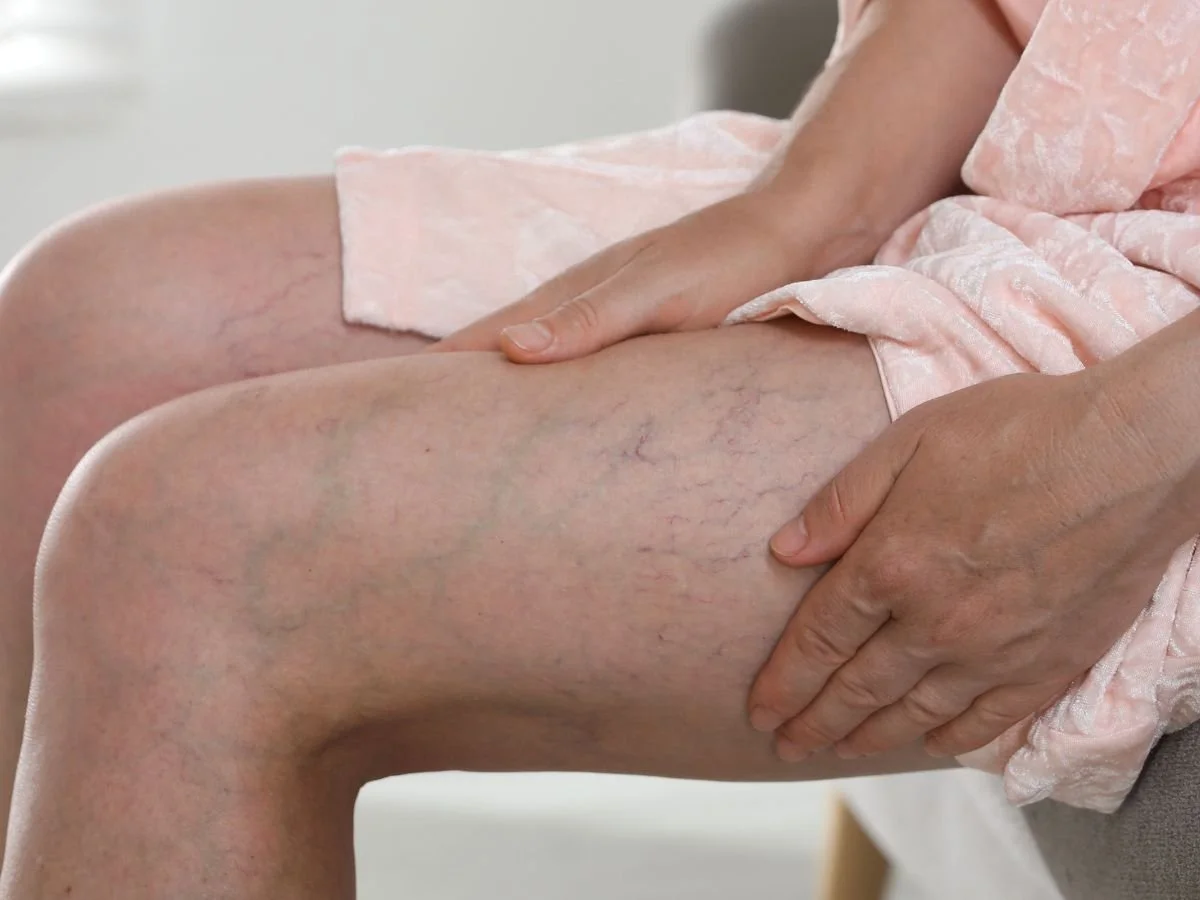
Why Not All Visible Veins Are the Same
Your veins work as a network. Some sit very close to the skin's surface. Others run deeper and do the heavy lifting for your circulation. Each vein carries blood back toward your heart using tiny valves.
When those valves weaken, blood pools and veins start to show. The type of vein problem you see depends on which vein is affected. Think of it as three different branches of the same family rather than three unrelated conditions.
Spider, Reticular & Varicose Veins
Venous problems include spider veins, the smallest and most superficial. They appear as thin, web-like collections of red, blue, or purple lines just below the surface of the skin. Spider veins are usually painless and considered cosmetic.
They are most common on the legs or the face. Sometimes spider veins can be a sign of a vein problem.
Reticular veins (also called feeder veins) are slightly larger than spider veins and are blue or greenish in color.
These veins are located deeper beneath the skin and may cause mild discomfort or a throbbing sensation. Spider veins often result from reticular veins, which supply the blood that makes them visible.
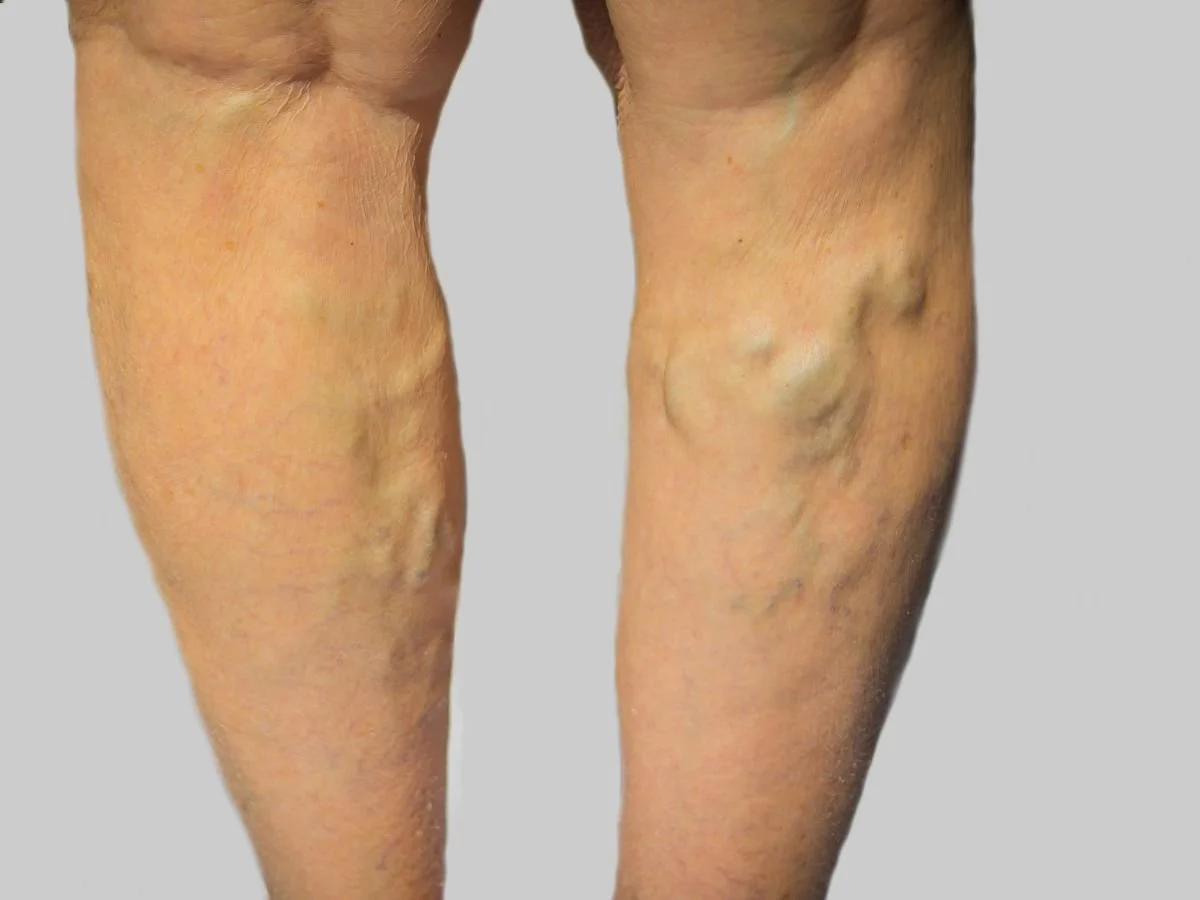
The largest and most prominent of the three types is varicose veins. These veins are enlarged, twisted, and bulging, often looking like ropes under the skin. Varicose veins are caused by damaged valves in the deeper veins that allow blood to collect.
They may cause symptoms such as pain, heaviness, and swelling, and can lead to more serious health problems if not treated.
Here's something few blogs mention. Reticular veins often "feed" spider veins. That means the deeper reticular vein pushes extra pressure into the tiny surface veins.
Treat only the spider veins and skip the feeder vein? The results may not last. This is why a proper assessment beats guessing based on looks alone. A trained eye can spot what's really driving the problem.
What Causes Each Type of Vein Problem?
Several things raise your risk across all three types:
Genetics
Pregnancy
Aging
Long hours standing or sitting
Weight gain
Hormonal changes
So why do some people get spider veins while others get varicose veins? It usually comes down to vein size, valve damage, skin thickness, and your personal anatomy.
When Is It More Than a Cosmetic Concern?
Sometimes visible veins point to something deeper. Watch for these signs:
Leg heaviness
Burning
Night cramps
Swelling
Itching
Skin discoloration
Aching that won't quit.
Cosmetic veins can occasionally signal a circulation issue that deserves a closer look. If any of this sound familiar, book an evaluation.
Which Treatment Works Best for Each Type?
Treatment isn't one-size-fits-all. Here's how it usually shakes out:
Spider veins:Sclerotherapy is the gold standard. A surface laser sometimes works well for small facial veins.
Reticular veins: Often treated with sclerotherapy. Feeder veins may need attention first for lasting results.
Varicose veins: These usually start with an ultrasound evaluation. Depending on severity, care may include sclerotherapy, endovenous procedures, or other minimally invasive vein treatments.
Why Early Treatment Makes Things Easier
Veins seldom go away by themselves. The smaller veins usually respond more quickly and require fewer sessions. Early treatment can slow progression and give you cleaner cosmetic results. Wait too long, and other veins may develop over time.

What to Expect at Beyond Health MedSpa
Your visit stays focused on you. At Beyond Health MedSpa, a consultation includes:
A personalized vein assessment
Clear identification of your vein type
Treatment recommendations built around your needs
A talk about how many sessions you'll likely need
What recovery looks like
Simple lifestyle tips to support your results
Honest, upfront pricing
Frequently Asked Questions
Can spider veins become varicose veins?
Not directly, but they can appear alongside deeper vein issues. That's why an exam matters.
Are reticular veins dangerous?
They're usually harmless, though they can be an early sign of vein disease.
Is sclerotherapy painful?
Most people feel a small pinch or mild sting. It's quick.
How many sessions will I need?
It depends on your vein type and how many veins you're treating. Your provider will map this out.
Will treated veins come back?
Treated veins fade for good, but new ones can form over time.
Is there downtime?
Very little. Most patients return to daily life right away.
Can I walk after treatment?
Yes. Walking is actually encouraged to support healthy circulation.
Know Your Veins Before Choosing a Treatment
Not all visible veins are created equal. A proper diagnosis is the first step to healthier-looking legs. Whether your concern is purely cosmetic or accompanied by discomfort, understanding the difference is empowering and helps you make an informed decision.
Curious about the type of vein you have? Schedule a consultation at Beyond Health MedSpa Miami for a customized assessment and plan designed for you.