Why Do I Have Lumps After Sclerotherapy? What’s Normal and When to Call Your Provider
You had sclerotherapy expecting the treated area to look better. Instead, you noticed a small lump or firm spot. Naturally, you may wonder if something went wrong.
Why do I have lumps after sclerotherapy?
Small lumps, bumps, or firm areas can occur after sclerotherapy. In many cases, they are part of the normal healing process. The treated vein does not disappear right after the injection. Your body needs time to break down and absorb it.
Still, not every lump should be ignored. Knowing what to expect can help you decide when to simply give the area time to heal and when to contact your provider.
What happens during spider veins treatment
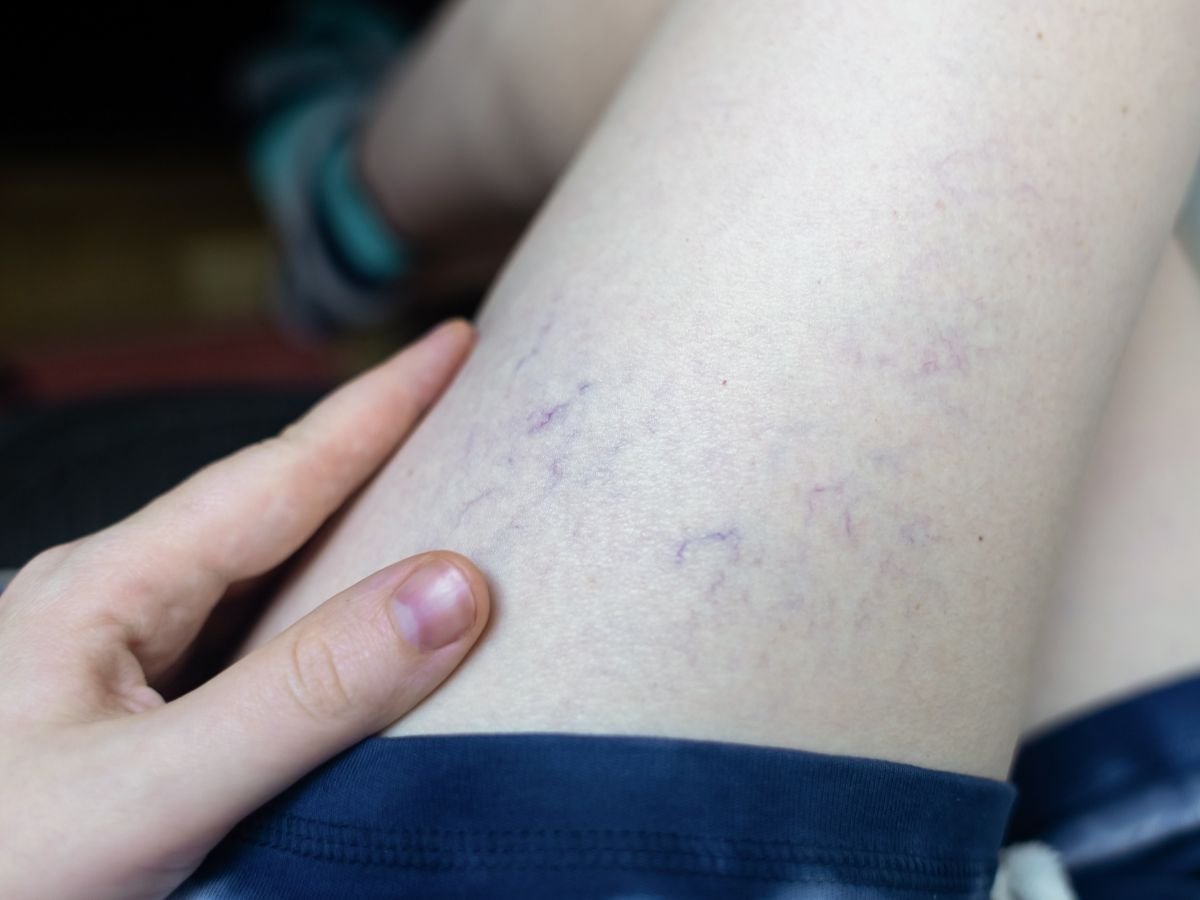
Sclerotherapy uses a solution to irritate and close the targeted vein. Once the vein closes, the body gradually processes the treated tissue. A small amount of blood can sometimes remain inside the treated vein. This can create a firm or raised area under the skin.
The area may feel slightly tender when touched. Mild inflammation can cause another type of temporary lump. Your body reacts to the treatment as part of the healing process. You may notice a firm, cord-like vein or a small bump along the treated area.
These changes do not necessarily mean that sclerotherapy failed.
How Long Do Lumps Last After Sclerotherapy?
Healing takes time. A treated vein may feel firm for several weeks before it becomes softer and less noticeable. Some areas can take longer to fade, especially when larger veins require treatment.
The exact healing time varies from person to person. It can depend on the size of the treated vein, how much blood remains inside it, and how your body responds to treatment.
Try not to judge the final result too soon. Sclerotherapy works gradually, so improvement may continue for weeks or longer after your appointment.
Can a Lump After Sclerotherapy Be Treated?
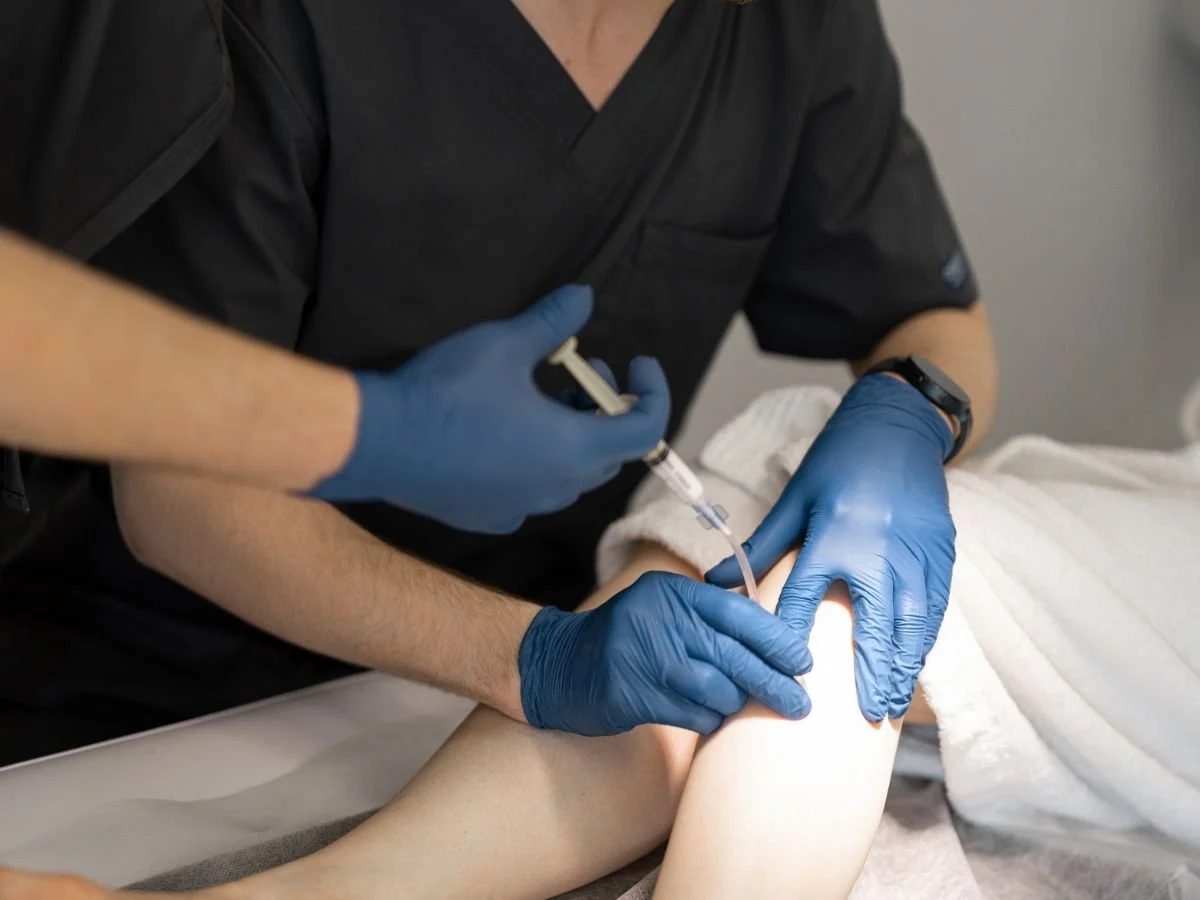
Sometimes, a provider may find that a firm area contains trapped blood within the treated vein. In selected cases, the provider may recommend removing the trapped blood. That decision requires an examination.
A lump should not be squeezed, punctured, or drained at home. Trying to treat it yourself can irritate the skin and increase the risk of infection or other complications.
A follow-up visit gives the provider a chance to check the treated area and determine whether it is healing as expected.
When Should You Contact Your Provider?
Most mild firmness gradually improves. Contact your provider if the area becomes increasingly painful or swollen instead of settling down.
You should seek medical advice if you notice:
Increasing pain or tenderness
Significant redness or warmth
Worsening swelling
A hard area that continues to grow or become more painful
Changes in the skin over the treated area
Other symptoms that concern you after treatment
Sudden chest pain, trouble breathing, coughing up blood, or fainting requires emergency medical attention. Do not wait for a routine sclerotherapy follow-up if these symptoms occur.
What Can You Do While the Area Heals?
Follow the aftercare instructions provided by your clinician. If compression is recommended, use it as directed.
Stay active according to your provider's guidance and avoid repeatedly pressing, squeezing, or massaging the treated area unless your provider specifically recommends it.
Your follow-up appointment can be just as useful as the initial treatment. It allows your provider to assess your progress and address any concerns.

Get Personalized Sclerotherapy Care in Miami
A lump after sclerotherapy can be unsettling, especially when you expected the treated area to look smoother right away. In many cases, temporary firmness is simply part of the healing process.
The right way to know what is happening, however, is to have the area assessed by a qualified medical professional. Beyond Health MedSpa in Miami, Florida, provides personalized sclerotherapy care for patients seeking treatment for spider veins and small varicose veins.
An individual assessment can help determine whether sclerotherapy is appropriate and what follow-up care may be needed.
If you recently had sclerotherapy and are concerned about a lump, or if you are considering treatment for unwanted veins, schedule an appointment with Beyond Health MedSpa to discuss your concerns and treatment options.