Why Do Spider Veins Itch?
Spider veins are small, visible blood vessels close to the surface of the skin. They often look like fine red, blue, or purple lines or webs.
The spider veins themselves do not usually cause itching. In some people, however, spider veins appear along with other circulation problems. Chronic venous insufficiency is one possibility. This happens when the veins have trouble moving blood back toward the heart.
When blood pools in the lower legs, it can cause pressure and inflammation. You may notice itching, burning, aching, heaviness, swelling, or tired legs. These symptoms may become more noticeable after standing for a long time.
Dry skin or irritation can cause itching too. So, an itchy area near a spider vein does not automatically mean the vein is the cause.
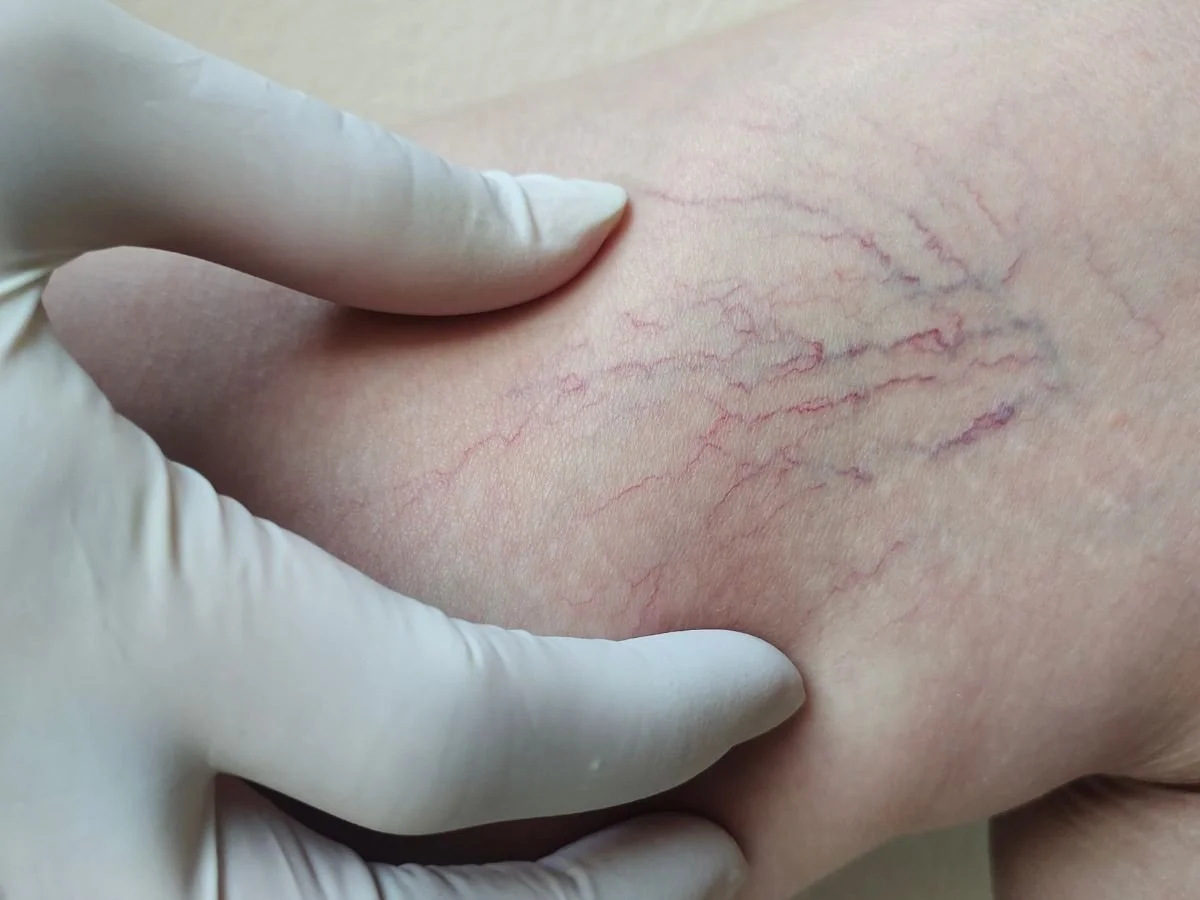
Can Spider Veins Cause Itchy Skin?
They can be associated with itching, but there is an important distinction.
A person may have spider veins and itchy legs at the same time without the spider veins causing the itch. An underlying vein problem may be responsible.
Look at the bigger picture. Do your legs feel heavy by the end of the day? Do your ankles swell? Do you experience burning or aching after standing? Have you noticed skin discoloration or larger, raised veins?
These details can help a medical provider understand what may be happening.
When Should Itchy Spider Veins Be Checked?
Occasional itching is not usually a reason to panic. But persistent or changing symptoms deserve attention.
Contact a healthcare provider if you notice itching along with:
Swelling in the leg or ankle
Increasing pain or tenderness
Warmth or redness
Skin discoloration
A sore or rash that does not heal
A vein that suddenly becomes hard, swollen, or painful
These symptoms can point to a problem that needs more than cosmetic treatment. A provider may examine your legs and, when needed, recommend a vascular ultrasound to check blood flow.
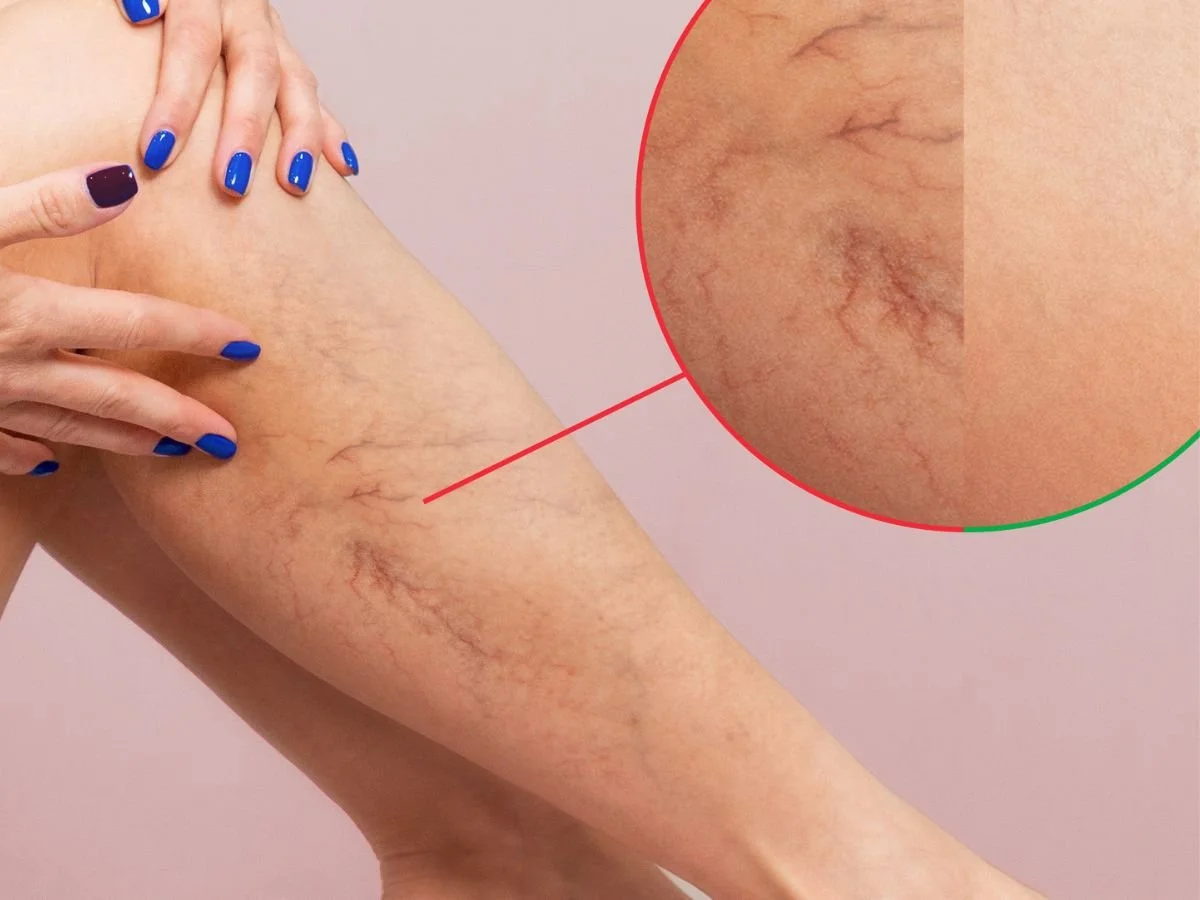
Can Sclerotherapy Help Spider Veins?
If the main concern is the appearance of spider veins, sclerotherapy is one of the most commonly used treatments.
During sclerotherapy, a provider injects a solution into the targeted vessel. The solution causes the vessel to close. Your body then gradually clears the treated vessel, allowing the spider vein to fade.
Small spider veins often start fading within three to six weeks. Some people need more than one treatment session, depending on the number and size of the veins.
There is one important point to remember. Treating spider veins does not automatically treat every possible cause of itching. If an underlying circulation problem is causing your symptoms, that issue needs proper evaluation too.
What Happens After Sclerotherapy?
Sclerotherapy does not make spider veins disappear overnight.
You may notice some bruising, redness, mild swelling, or tenderness around the injection sites. These effects generally improve with time.
Your provider may recommend compression stockings and regular walking after treatment. Following aftercare instructions can help support recovery and improve your treatment experience.
New spider veins can develop in the future. Treating the visible veins you have now does not guarantee that new ones will never appear.
Should You Treat Itchy Spider Veins or Find the Cause First?
That depends on what your evaluation shows.
If you have spider veins with no other symptoms, treatment may be mainly about improving their appearance. If itching comes with swelling, heaviness, pain, or skin changes, a more detailed assessment may be appropriate before cosmetic treatment.
That is why a consultation matters. The goal should not be to treat every visible vein without asking why your legs feel the way they do.

Sclerotherapy in Miami at Beyond Health MedSpa
If itchy or noticeable spider veins are making you uncomfortable about your legs, Beyond Health MedSpa in Miami can help you understand your treatment options.
A consultation gives the medical team an opportunity to look at your veins, discuss your symptoms, and determine whether sclerotherapy fits your needs. Treatment can then be planned around your vein pattern and aesthetic goals.
You do not have to keep wondering why do spider veins itch? If the itching keeps returning or your veins are becoming more noticeable, schedule a consultation with Beyond Health MedSpa in Miami.
Getting the right information early can help you make a more confident decision about treatment.
Frequently Asked Questions
Does itching mean my spider veins are getting worse?
Not necessarily. Itching can have several causes. It may occur alongside an underlying vein problem, dry skin, or irritation.
Will sclerotherapy stop the itching?
It may help if the treated veins contribute to your symptoms. However, sclerotherapy does not treat every possible cause of itchy legs.
How long does it take spider veins to fade after sclerotherapy?
Small spider veins often begin fading within three to six weeks. Some veins may take longer, and several sessions may be needed.