Can athletes get sclerotherapy?
Here are the things active individuals should know before undergoing vein treatment.
Since you spend a great deal of your week running, cycling, lifting, swimming or training for competitions, you must carefully consider anything that might disrupt your routine. So, what takes place when spider veins or smaller varicose veins become visible?
A common question is: Can Athletes Get Sclerotherapy?
Athletes may in fact undergo sclerotherapy. Simply because you are physically active does not mean that you are not suitable for the treatment.
As before, your doctor will have to examine your veins, go over your medical history and take into account your medications and any other risk factors before suggesting the treatment.

Why Do Athletes Get Spider Veins?
The presence of veins on an athlete's legs doesn't mean that there's anything wrong.
It is natural for some athletes to have more noticeable surface veins, particularly if they have a lower amount of body fat or stronger leg muscles, and genetics may also be a factor.
Age, hormones, pregnancy, staying standing for long periods and other factors can all lead to the development of spider or varicose veins.
The key thing to realize is that the presence of a visible vein doesn't mean that someone has poor circulation or poor athletic ability.
Any veins that have become raised, are swollen, ache, feel heavy, have undergone changes in the skin, or have other symptoms should be properly evaluated, and your doctor may have to decide whether you have a straightforward cosmetic issue or an underlying vein disorder.
How Does Sclerotherapy Work?
Sclerotherapy is used to treat certain spider veins and smaller varicose veins.
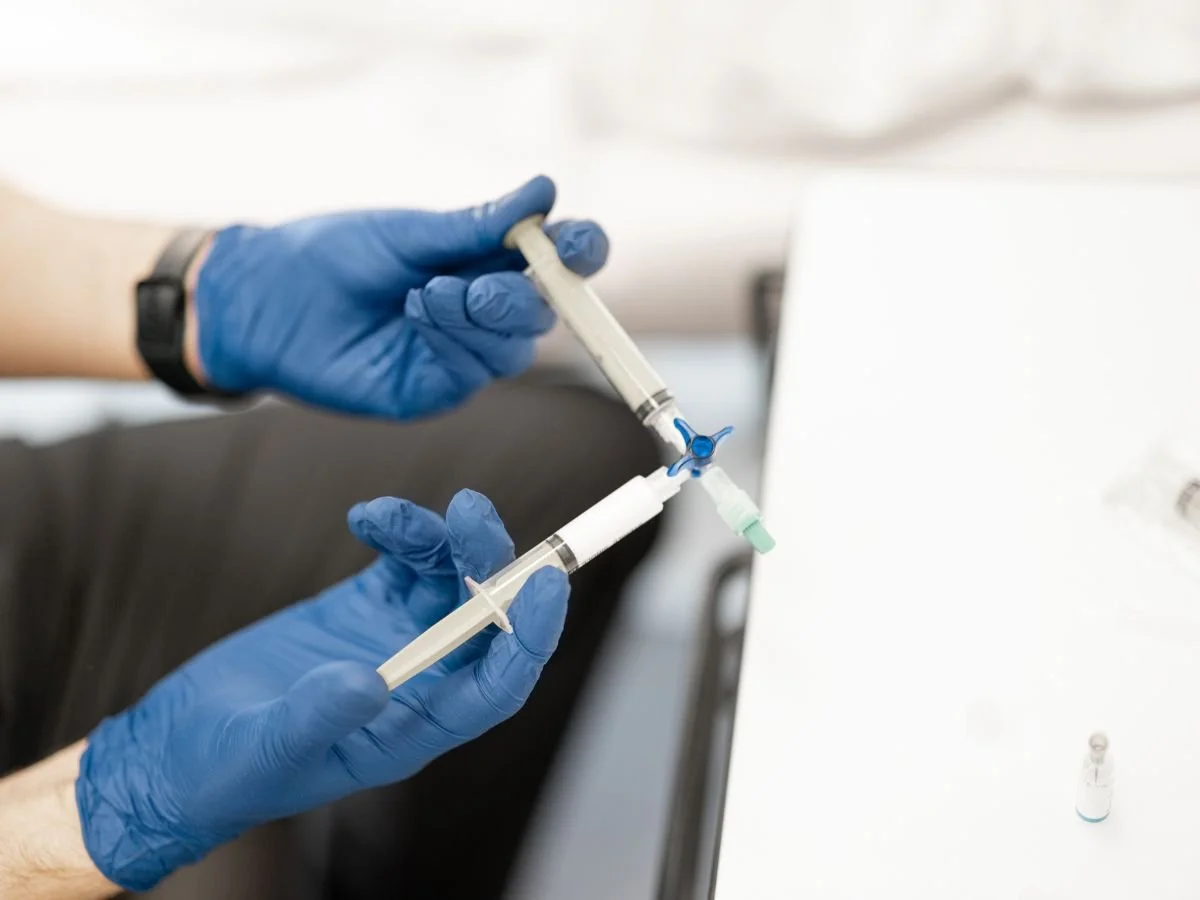
While being treated, the provider inserts a solution into the vein in question. This causes the vein to close. Blood then flows through the healthier veins instead, and the body slowly gets rid of the treated vein.
The procedure is minimally invasive, but the results do not appear immediately. The treated veins generally disappear after a few weeks, and in some cases people have to undergo more than one treatment.
What this means for an athlete is that their treatment should be planned in accordance with their training schedule rather than being fitted in right up to an important event.
Is it possible to carry out exercise after having sclerotherapy?
This is usually the main worry among patients who are active.
After sclerotherapy, it is usually advisable to walk and make light movements. But your doctor might request that you avoid strenuous exercise for a certain period following the treatment.
The specific instructions will vary depending on the veins that have been treated and the type of procedure carried out.
That can mean temporarily modifying activities such as:
Running
Heavy leg workouts
HIIT
Cycling
Competitive sports
Intense weightlifting
Don't use anyone else's recovery timeline as your own; instead, adhere to your provider's instructions when it comes to getting back to full training.
After treatment, compression stockings or bandages might be suggested depending on the treatment plan.
What if you are about to have a race?
Timing matters.
When you are planning to take part in a marathon, a tournament, a race or some other major competition, you should let your provider know before arranging the treatment.
This is so that you have sufficient time between the procedure and the event in order to carry out your aftercare instructions without having to rush back into intensive training.
It is just as true of travel and heavy training phases. Having a plan makes it easier to manage the recovery period.
Does sclerotherapy have an effect on athletic performance?
Sclerotherapy is used for the treatment of certain abnormal or unwanted superficial veins. It does not act as a performance-enhancing treatment.
Just because you close off a treated vein doesn't mean that your muscles will at once get more oxygen or that your athletic ability will increase; the aim is to deal with the particular veins while still allowing blood to pass through the healthier ones.
In some cases, if the veins in question are larger or deeper, your doctor might suggest an alternative method of evaluation or treatment. Similarly, laser or light-based treatment could be appropriate for certain small surface vessels.

Considering Sclerotherapy in Miami?
You should not let your level of activity prevent you from treating spider veins. The right question to ask is whether sclerotherapy is suitable for your specific veins, medical history, and training schedule.
At Beyond Health MedSpa in Miami, they can examine your visible veins and talk over your treatment objectives. Having a consultation will enable you to find out if sclerotherapy is suitable, what the recovery process might be like, and how the treatment can be arranged in relation to your workouts or upcoming competition.
If the spider veins are making you hesitate, schedule a consultation with Beyond Health MedSpa in Miami before planning your treatment to coincide with your next race or training cycle.
FAQs
Can Athletes Get Sclerotherapy?
Certainly. Athletes could be considered for sclerotherapy provided that their veins and general health make the treatment suitable.
Can I Run After Sclerotherapy?
You might have to put off intense exercise for a while. Find out from your doctor when it is safe for you to get back to running and to your regular training program.
Is it possible to have sclerotherapy before a marathon?
You should talk it over with your provider, but don't arrange the treatment right before a significant competition without first taking the recovery period into account.
Do Athletes Need Compression After Sclerotherapy?
Compression may be recommended after treatment. Follow the instructions provided at Beyond Health MedSpa, Miami for your specific procedure.